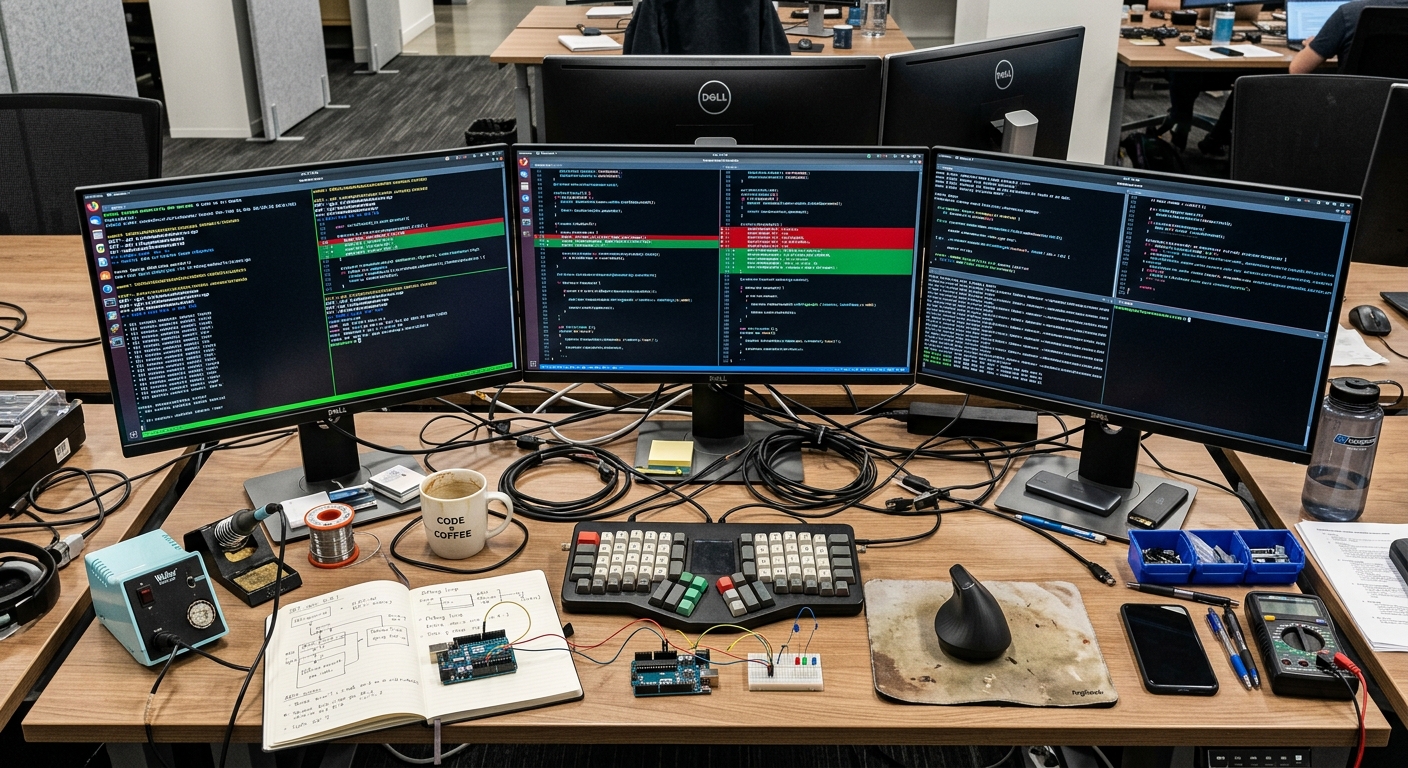
// What the AI wrote
function processData(d: any) {
 return d.map(x => ({...x, v: x.value * 1.1}));
}

// What I actually needed
/**
 * @pin context: This handles the legacy pricing multiplier from the 2022 migration.
 * See Incident #402 regarding floating point errors here.
 */
function calculateAdjustedPrice(transactions: Transaction[]): AdjustedTransaction[] {
 return transactions.map(transaction => ({
 ...transaction,
 adjustedValue: Number((transaction.price * 1.1).toFixed(2))
 }));
}
Last month, a junior dev on my team used an AI assistant to refactor a payment gateway module. It looked clean. The tests passed. We shipped it. Two days later, we had to trigger a rollback because the AI had quietly replaced a custom decimal rounding logic with a standard float multiplication. It was a classic regression. The model didn't know about a post-mortem from three years ago that dictated exactly how we handle currency.
This is the problem with the current hype. Everyone is talking about how many lines of code they can generate. Nobody is talking about how much technical debt they are accumulating. If your ai pair programming workflow is just 'prompt and pray,' you are not a staff engineer. You are a liability.
The short answer
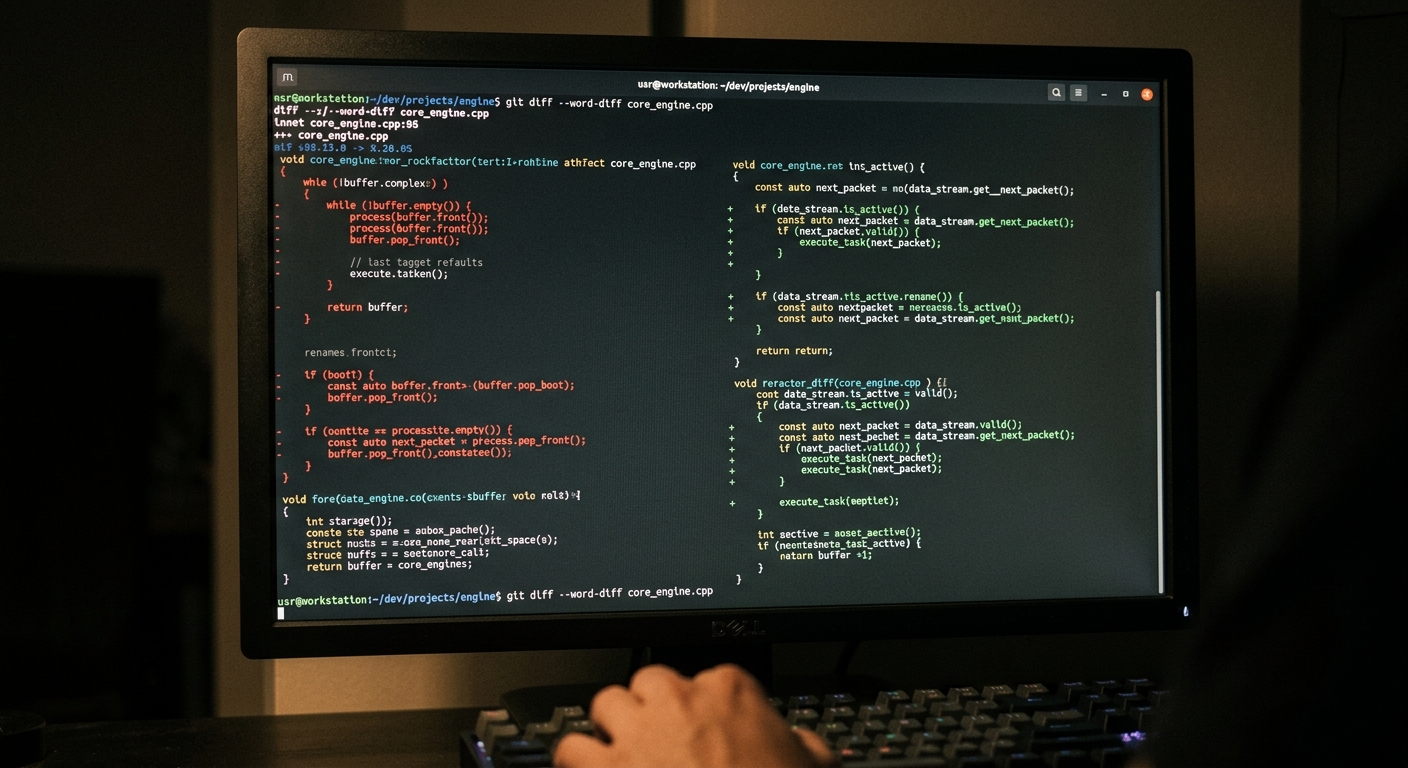
A professional ai pair programming workflow is not about code generation. It is about context management. You should use AI to draft boilerplate and suggest refactors, but you must manually 'pin' context. This means using structured comments or documentation files that tell the AI what it is not allowed to change. If you do not define the boundaries, the AI will fill the gaps with hallucinations that look like clean code.
How they differ
Not all AI tools are built for the same part of the lifecycle. I categorize them into three buckets based on how they handle the context window and the file system.
1. IDE Integrated Assistants (Cursor, Claude Code)
These tools live inside your environment. They have access to your local files and your terminal. Claude is currently the leader here because of its reasoning capabilities. It understands the relationship between a flaky test and the underlying implementation better than most. These are best for deep work in large, existing codebases where you need to track down a bug across five different files.
2. Cloud Native Agents (Replit Agent)
Replit Agent is a different beast. It handles the infrastructure, the deployment, and the code. It is excellent for greenfield projects or internal tools where you want to go from zero to a deployed URL in ten minutes. However, the trade-off is control. You are working in their sandbox. For a staff engineer, this is great for prototyping a feature flag system before committing it to the main monolith.
3. Logic and Documentation Helpers (Copy.ai)
While Copy.ai is often associated with marketing, we use it for automating the 'human' side of engineering. This includes drafting clear pull request descriptions from commit logs or generating technical documentation. It prevents the 'documentation rot' that usually happens when AI generates code faster than humans can explain it. You can see more on this in our guide on repurposing long form content with AI.
Head-to-head table
| Feature | IDE Integrated (Claude Code) | Cloud Agents (Replit) | Logic Helpers (Copy.ai) |
|---|---|---|---|
| Best Use Case | Legacy refactoring | Rapid prototyping | PRs and Documentation |
| Context Awareness | High (Entire local repo) | Medium (Project scope) | Low (Input based) |
| Security | Local execution options | Cloud hosted | API based |
| Velocity | Moderate (Human led) | High (Agent led) | High (Task specific) |
| Risk of Debt | Moderate | High | Low |
When to pick each
Your choice depends on the age of your codebase and the size of your team.
For Legacy Monoliths
If you are working in a codebase with 100k+ lines of code, do not let an agent run wild. You need an IDE extension like Cursor or the new Claude Code CLI tool. Run npm install -g @anthropic-ai/claude-code and use it to ask questions about the codebase first.
- The Strategy: Use the AI to explain the flow of a complex function. Once you verify the explanation is correct, ask it to write a test case. Only after the test passes should you ask it to refactor.
- The Guardrail: Establish a
.cursorrulesor.clauderulesfile. This is where you define your team's coding standards to prevent divergent styles. If you don't do this, one dev will have AI writing functional code while another gets class-based components. It is a nightmare for observability.
For Greenfield and Prototypes
If you are starting a new service, use Replit Agent. It will ship the boilerplate, the Dockerfile, and the initial schema in seconds. This allows you to focus on the business logic. We documented a similar high-speed approach in our first 100 users AI workflow case study.

Managing the Debt: Context Pinning
To prevent AI from generating a maintenance disaster, I follow a workflow I call 'Context Pinning'. This is how we ensure long term maintainability.
- Define the Constraints: Before starting a task, create a temporary markdown file called
context.md. List every weird edge case the AI needs to know. - Pin the Logic: When the AI generates code, ask it to add a specific comment tag like
@ai-authored. This makes it easy to grep for code that needs a more thorough senior review later. - Automated Testing: Never accept an AI PR without 80% coverage on the new lines. AI is great at writing tests for the code it just wrote. Use that to your advantage.
- Auditability: Use tools to track bug density. According to the 2023 GitHub Octoverse report, developers are shipping faster, but the density of logic errors is shifting. We use observability tools to monitor any module with high AI authorship more closely in production.
For more on how these tools stack up in real world scenarios, check out our deep Claude Code vs Cursor for Large Codebases.
Verdict
If you want to actually improve your engineering output, stop looking for the tool that writes the most code. Look for the tool that integrates with your existing safety nets.
For 90% of staff engineers, the best ai pair programming workflow is Claude Code paired with a strict local linting and testing suite. It provides the best balance of reasoning power and local control. Use it to draft, but you must be the one to sign off.
If you are building a quick internal tool or a proof of concept, Replit Agent is the winner. It removes the friction of environment setup.
Just remember. Every line of code you didn't write is a line you still have to support. Don't ship a regression just because the prompt felt clever. If you are struggling with infrastructure specifically, you might want to look at our guide on using AI for Kubernetes troubleshooting. It covers how to handle incidents when the AI-generated YAML inevitably fails.